The Athens Acropolis opening hours are seasonal.
Summer* (April to Sep.): 8 AM to 8 PM
Winter (Nov. to Mar.): 8 AM to 5 PM
The last entrance to the Acropolis is half an hour before closing time.
*From the 1st of September until the 30th of October, the Acropolis opening times decrease by 30 minutes every 15 days, due to a gradual reduction in daylight hours.
The average visit lasts between 1.5 and 2 hours.
The Acropolis is located at Athens 105 58, Greece.
There are two entrances to the Acropolis. The main entrance is located on the western side of the Acropolis on Theorias Street, while the side entrance is on Dionysiou Areopagitou Street.
The Acropolis main entrance is a 10-minute walk from Monastriraki Square near Plaka and along the way you will go by Hadrian’s Library and the Roman Agora. This entrance gets very busy, especially during the summer.
The Acropolis side entrance is a 2-minute walk from the Acropolis Metro Station and near the Acropolis Museum. As it is dedicated to small group tours and skip-the-line ticket holders, this entrance tends to be quieter.


Visitors are only allowed to take water with them in the archeological site, no other drink or food is permitted. Bottled water can be purchased from kiosks near the Acropolis entrance, while on-site there are water fountains.
Before or after your visit to the Acropolis, you can head down the hill towards Plaka, Monastiraki and Anafiotika, where there are many quaint cafés and traditional tavernas to savor the local cuisine.
Near the entrance to the Acropolis, there is a gift shop where you can purchase souvenirs and memorabilia of your visit. Additionally, there are facilities available to store large bags and items, such as suitcases and strollers, which are not allowed on-site.
Restrooms can be found outside near the Acropolis entrance, while inside they are located at the Old Acropolis Museum.
There are many things to do in Athens and if you're visiting the Acropolis, there are a few sights you shouldn't miss.
Near the Acropolis you will find the New Acropolis Museum, the Ancient Agora, the Roman Agora, Hadrian’s Library, the Odeon of Herodes Atticus, the Theater of Dionysus, the Temple of Olympian Zeus and the Kerameikos Archeological Site.
Within walking distance of the Acropolis hill you can also visit the National Observatory; Filopappou Hill, where Socrates is believed to have been imprisoned; the Kallimarmaro Panathenaic Stadium, where the first modern Olympic Games were held and the Metropolitan Church of the Annunciation to the Virgin Mary.
You can also head to the Thision Open Air Cinema, which operates during summer months, the Monastiraki Flea Market and Ermou Street shopping district, as well as well as the popular Plaka and Koukaki neighborhoods for food and drink.


Athens offers a range of exceptional hotels with stunning views of the iconic Acropolis, catering to both luxury and budget travelers. For a truly opulent experience, consider the Electra Metropolis, boasting a rooftop pool and restaurant with panoramic views, or the historic Hotel Grande Bretagne, a landmark of elegance with unparalleled service and a terrace offering breathtaking vistas of the Acropolis.
If you’re looking for a more budget-friendly option, the Plaka Hotel provides comfortable accommodations and a rooftop terrace that showcases the Acropolis in all its glory.
Whether you’re indulging in luxury or traveling on a budget, these hotels place you close to Athens’ vibrant neighborhoods, like Plaka and Monastiraki, and within walking distance of must-visit landmarks, including the New Acropolis Museum, the Ancient Agora, and the charming streets of Koukaki. For more options, check out our page about hotels with the best view on the Acropolis!
Most tours are conducted in English, however some providers also offer guided tours in French, German, Italian and Spanish.
Self-guided audio tours are typically offered in a variety of languages, such as English, Greek, German, French, Italian and Spanish. Check the details of your tour provider before booking for further information.
Guided tours of the Acropolis start as early as 9 AM, about an hour after the archeological site has opened to the public. The duration of tours on the Acropolis is generally about 2 hours, but tours can last longer if they include visits to the Acropolis Museum or other sites in Athens. The last tours in the day usually start at 4 PM.
Yes! You can book a guided tour to the Acropolis online ahead of time. This will ensure that you visit during your preferred time slot. Additionally, guided tours access the Acropolis from the less congested side entrance, so you will avoid queues.
Aside from visiting the Acropolis, tours may include visits to the Acropolis Museum and other important archeological sites in the area, such as the Ancient Agora, the Temple of Olympian Zeus and the National Archeological Museum.
There are also walking tours that include jaunts through some of the most scenic neighborhoods in Athens, such as Plaka and Koukaki.
Tour providers typically offer a full refund for cancellations up to 24 hours in advance. If your tour is canceled due to poor weather, you may reschedule for a later date or request a refund. Consult your tour provider for cancellation details.
The Acropolis is wheelchair accessible and most guided tours are suitable for persons with disabilities. Walking tours that visit several attractions do not usually cater to guests with disabilities. For further information, confirm with the tour provider before booking.
Yes, there are several tours designed for families, which are particularly engaging and informative for the kids but still interesting for the parents of course, since they're all lead by a professional and licensed guide.
No, there are no tours speficially catered for senior citizens. The Acropolis offers an elevator service that will let people with health issues or mobility impairments skip the heaviest part of the visit, which is the initial uphill.
For visitors that want to control the pace of the visit directly, small group or private tours are recommended.
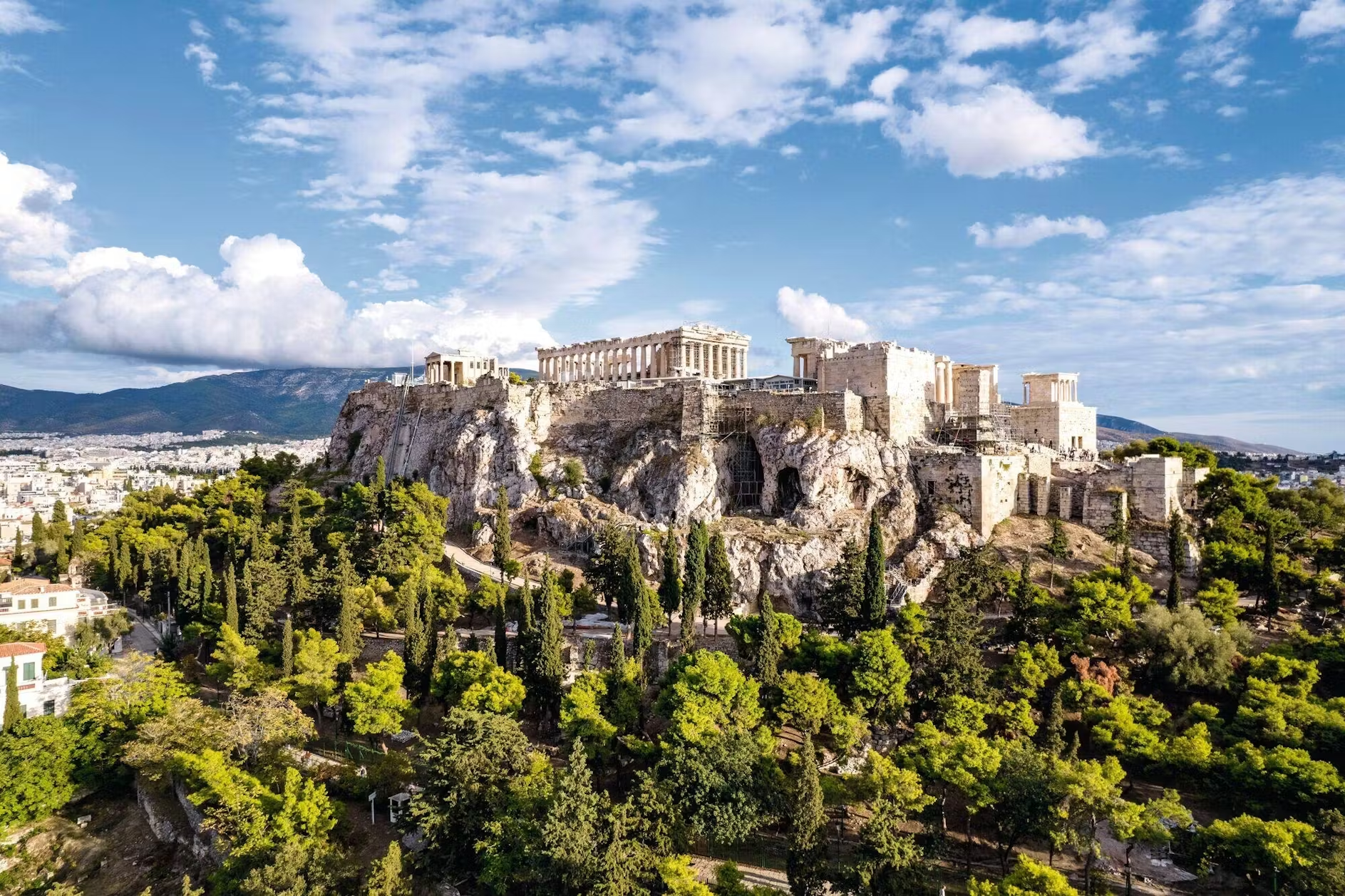
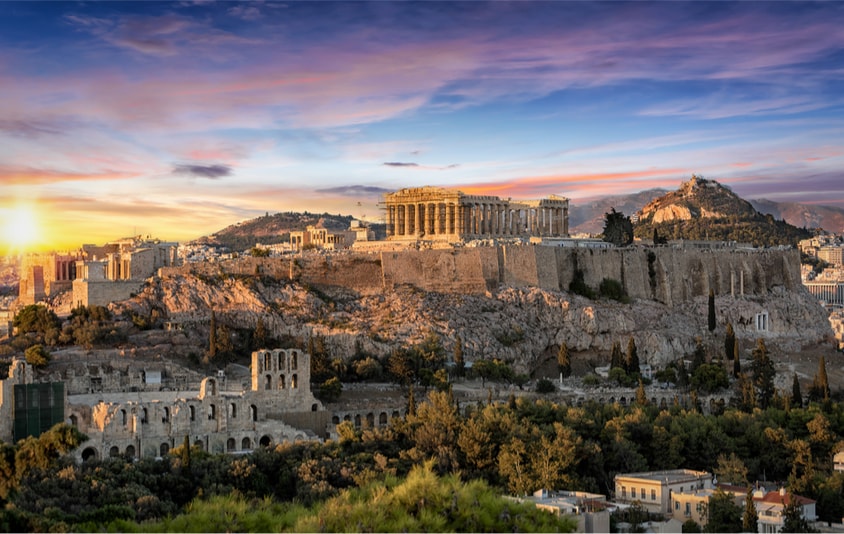
Few historic sites in the world have gained as much scientific attention as the Acropolis in Athens, Greece. History suggests that it has been inhabited since prehistoric times, where it served as a citadel, a point of worship, and even a royal residence and administrative building. Despite facing a bombing, destructive earthquakes, and petty vandalism, the has withstood the test of time to narrate many a fascinating tale.
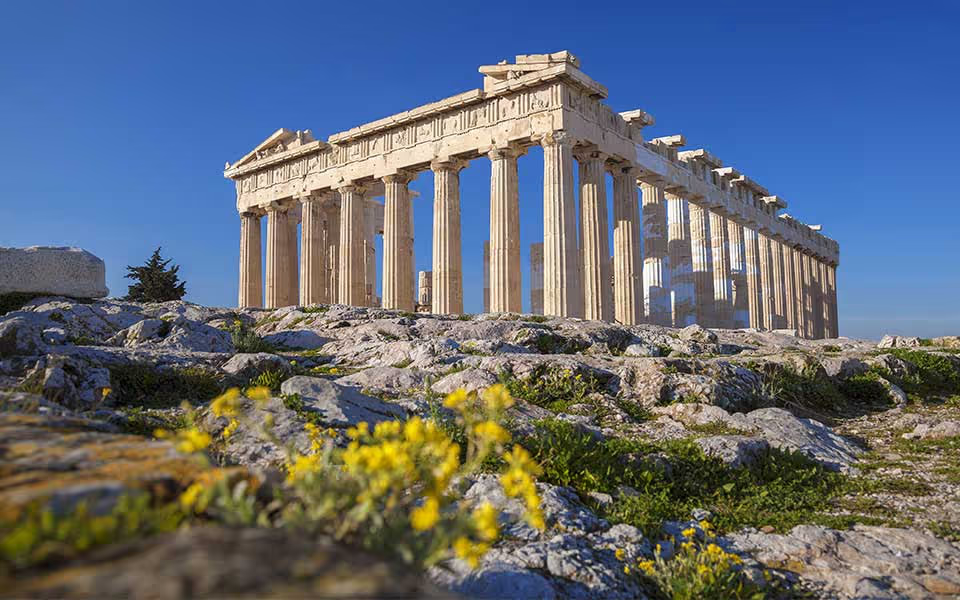
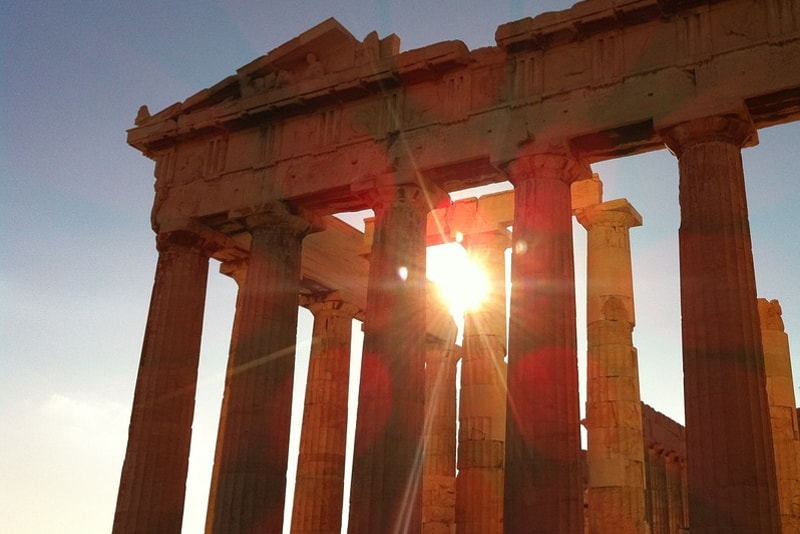
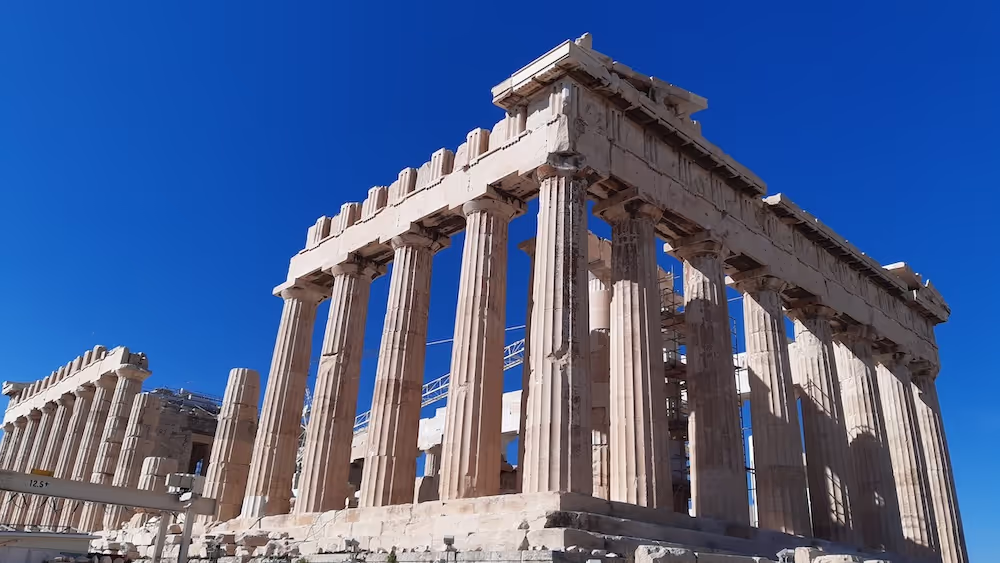
The Parthenon, located on the Acropolis in Athens, Greece, is a temple dedicated to the goddess Athena, the patron of the city. It was designed by the architects Iktinos and Callicrates, with sculptures by the famous Phidias. According to ancient historians, inside the temple there once was a beautiful golden and ivory sculpture of the goddess, known as the Parthenos Athena (or the Virgin Athena). Although the fate of the original statue has been lost in the mists of time, several copies have been made.
The Parthenon, a UNESCO World Heritage Site, is considered one of the greatest examples of ancient Greek architecture and one of the country’s most popular tourist destinations. If you want to learn more about the Parthenon and the Acropolis, be sure to check out our blog post which provides in-depth information and interesting facts about these ancient treasures.

A free official Digital Tour Guide for the Acropolis launches in March 2026, offering visitors a modern and accessible way to explore Greece's most iconic archaeological site.

The Parthenon stands free of scaffolding for the first time in decades. Visit the Acropolis in Athens and see Greece’s landmark fully revealed.

Acropolis closes midday from the 22nd to the 25th of July 2025 due to extreme heat. Discover how to stay cool in Athens and explore top indoor museums and attractions during summer heatwaves.

Preparing for the summer heat at the Acropolis requires careful planning around timing, hydration, attire, and equipment. With the right strategies and gear, visitors can focus on the remarkable experience, rather than the discomforts of the season.

The Acropolis Summer prices are effective starting today and the Acropolis Pass is no longer available. Discover everything there is to know about the new tickets to book the best ones for your needs!

Official Acropolis tickets for April aren’t available yet, leaving third-party vendors as the only option—at a higher cost. Book early to secure your visit!

Starting April 1 2025, Acropolis tickets switch to summer rates: €30 for adults, no reduced option. Book online for a hassle-free visit to this iconic UNESCO site!

Celebrate New Year’s Eve at the Acropolis with dazzling fireworks, live music, and Greek cuisine. Blend ancient history and modern festivity for an unforgettable night. Plan tickets, respect traditions, and savor Athens' vibrant energy.

The new prices for the Acropolis for the 2025 winter season have been released, the reductions have been cancelled.

Find out if it's possible to visit the Acropolis at night and other breathtaking options

The Acropolis will be partially closed on the 23th of July 2024 due to expected high temperatures.

Best Movies Featuring the Acropolis of Athens: Cinematic Journeys Through Ancient History

All you need to know about the Acropolis’ new limit of 20,000 daily visitors plus the new entry system designed to reduce overcrowding and protect the UNESCO site.

Explore the fascinating history and unique architecture of the iconic Erechtheion temple, and uncover the meaning behind its world-renowned Caryatids.

The acropolis of a city was used in many ways, with regards to ancient time and through references. Because an acropolis was built at the highest part of a city, it served as a form of protection as well as a shelter.

An acropolis was the settlement of an upper part of an ancient Greek city, especially a citadel, and frequently a hill with precipitous sides, mainly chosen for purposes of defense.