The Plaka district in Athens offers a fusion of ancient charm and vibrant Greek culture. Visitors will encounter renowned landmarks and discover Plaka's deep cultural roots in every corner. This historic neighborhood promises a lively exploration filled with stories from the past.
Plaka's landmarks stand as proud testaments to Athens' storied history. A visit to the Gate of the Roman Emperor Hadrian is a must, symbolizing the link between old and new Athens. Walking further, the Temple of Olympian Zeus reveals ancient architectural grandeur.
Anafiotika provides a refreshing escape with its maze-like alleyways and white-washed houses reminiscent of a Greek island. Nearby, the Tower of the Winds—a timekeeping marvel—is also essential to appreciate the innovative spirit of ancient Greeks. Travelers can feel history underfoot and engage with centuries-old architectural beauty.
Tourists can access various self-guided walking tour maps online or at local visitor centers. These maps typically include route suggestions and highlight nearby attractions to ensure a fulfilling self-paced exploration of the scenic streets around Plaka.
Plaka boasts a variety of unique shops and bustling markets. Visitors can enjoy exploring jewelry stores, art galleries, and souvenir shops nestled in its charming streets. Local markets often sell traditional Greek products, adding authenticity to the shopping experience.
While in Plaka, tourists often purchase local olive oil, handmade jewelry, and traditional Greek pottery. These items make perfect mementos of the trip or gifts for loved ones back home. The variety ensures something for every taste and interest.
To fully appreciate Plaka’s offerings, one should allocate about two to four hours for exploration. This timeframe allows visitors to enjoy major attractions, local shops, and cafes without feeling rushed. For a longer experience, consider extending the tour to nearby historic sites.
Adrianou Street is a must-visit in Plaka, known for its pedestrian-friendly path lined with shops, cafes, and historical ambiance. It serves as a hub where modern comforts meet the ancient spirit of Athens, making it a favorite for many tourists.

A free official Digital Tour Guide for the Acropolis launches in March 2026, offering visitors a modern and accessible way to explore Greece's most iconic archaeological site.

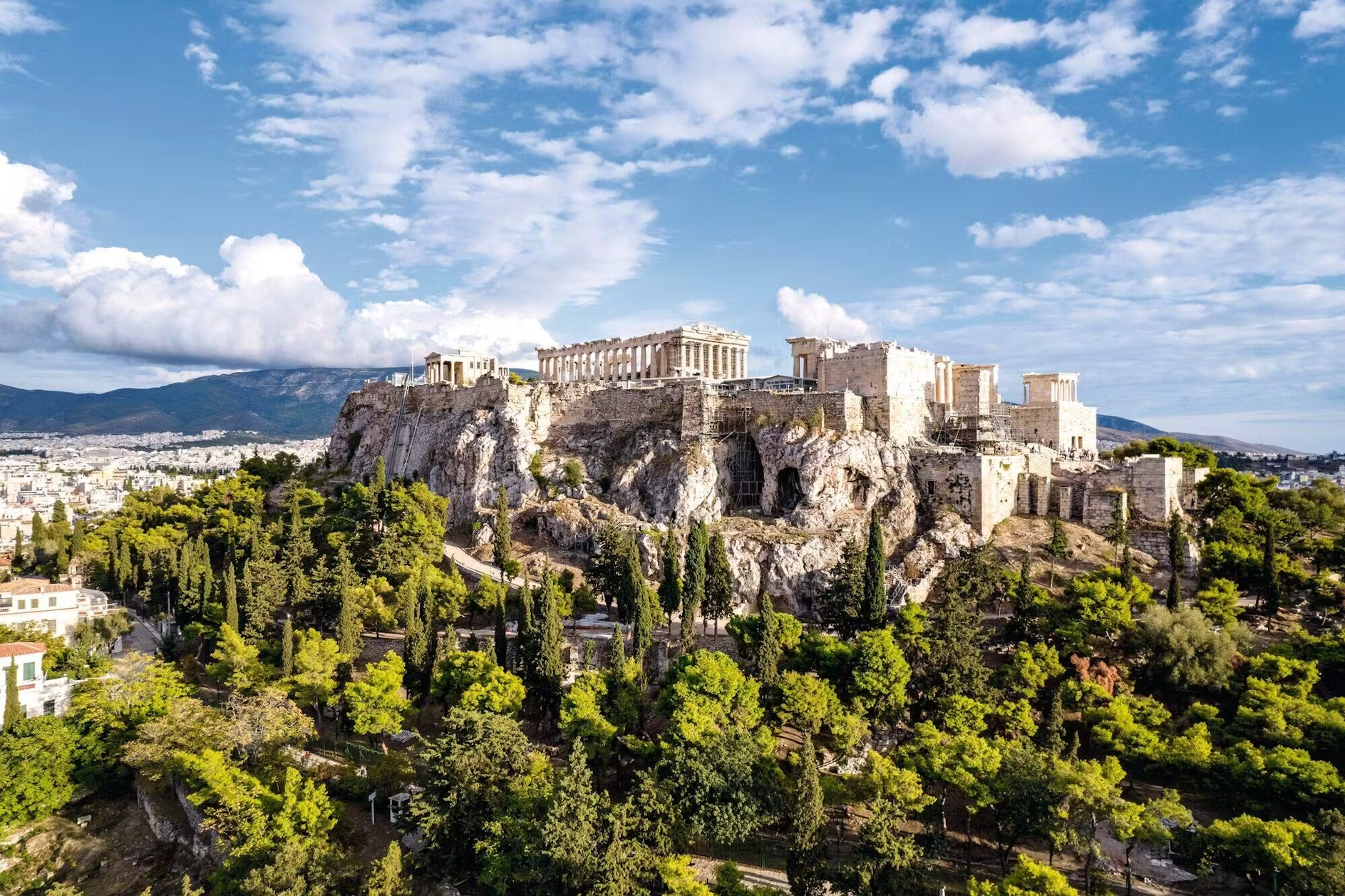
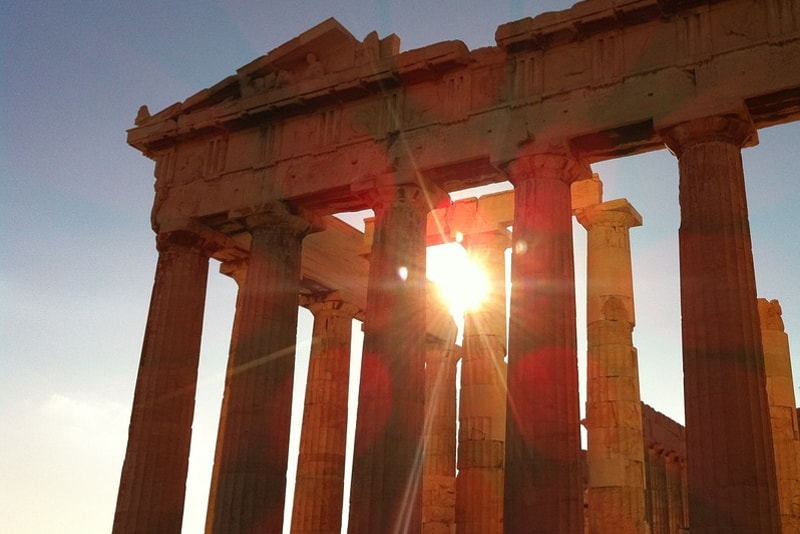
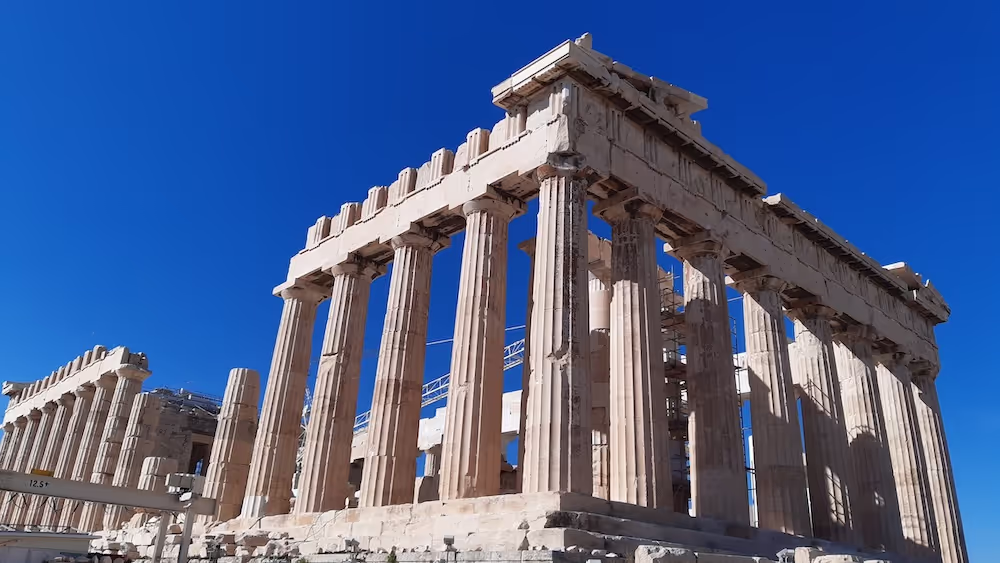
The Parthenon stands free of scaffolding for the first time in decades. Visit the Acropolis in Athens and see Greece’s landmark fully revealed.

Acropolis closes midday from the 22nd to the 25th of July 2025 due to extreme heat. Discover how to stay cool in Athens and explore top indoor museums and attractions during summer heatwaves.

Preparing for the summer heat at the Acropolis requires careful planning around timing, hydration, attire, and equipment. With the right strategies and gear, visitors can focus on the remarkable experience, rather than the discomforts of the season.

The Acropolis Summer prices are effective starting today and the Acropolis Pass is no longer available. Discover everything there is to know about the new tickets to book the best ones for your needs!

Official Acropolis tickets for April aren’t available yet, leaving third-party vendors as the only option—at a higher cost. Book early to secure your visit!

Starting April 1 2025, Acropolis tickets switch to summer rates: €30 for adults, no reduced option. Book online for a hassle-free visit to this iconic UNESCO site!

Celebrate New Year’s Eve at the Acropolis with dazzling fireworks, live music, and Greek cuisine. Blend ancient history and modern festivity for an unforgettable night. Plan tickets, respect traditions, and savor Athens' vibrant energy.

The new prices for the Acropolis for the 2025 winter season have been released, the reductions have been cancelled.

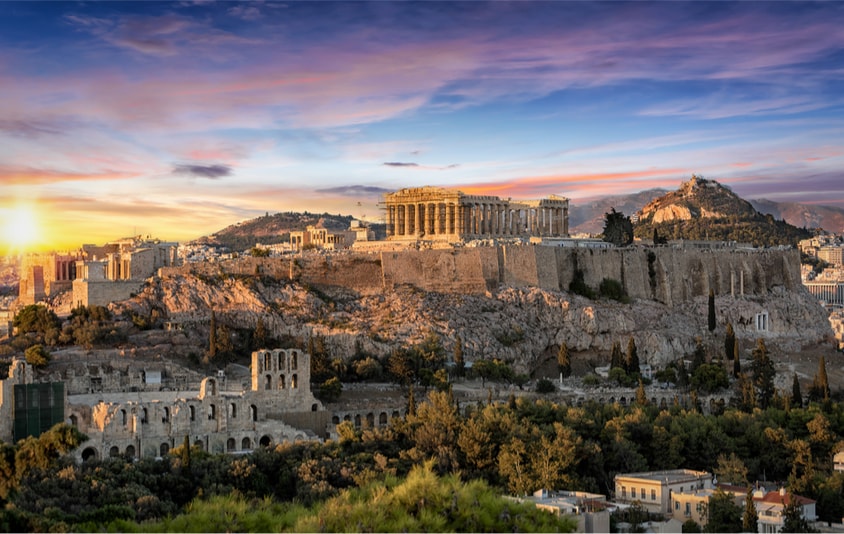
Find out if it's possible to visit the Acropolis at night and other breathtaking options

The Acropolis will be partially closed on the 23th of July 2024 due to expected high temperatures.

Best Movies Featuring the Acropolis of Athens: Cinematic Journeys Through Ancient History

All you need to know about the Acropolis’ new limit of 20,000 daily visitors plus the new entry system designed to reduce overcrowding and protect the UNESCO site.

Explore the fascinating history and unique architecture of the iconic Erechtheion temple, and uncover the meaning behind its world-renowned Caryatids.

The acropolis of a city was used in many ways, with regards to ancient time and through references. Because an acropolis was built at the highest part of a city, it served as a form of protection as well as a shelter.

An acropolis was the settlement of an upper part of an ancient Greek city, especially a citadel, and frequently a hill with precipitous sides, mainly chosen for purposes of defense.